
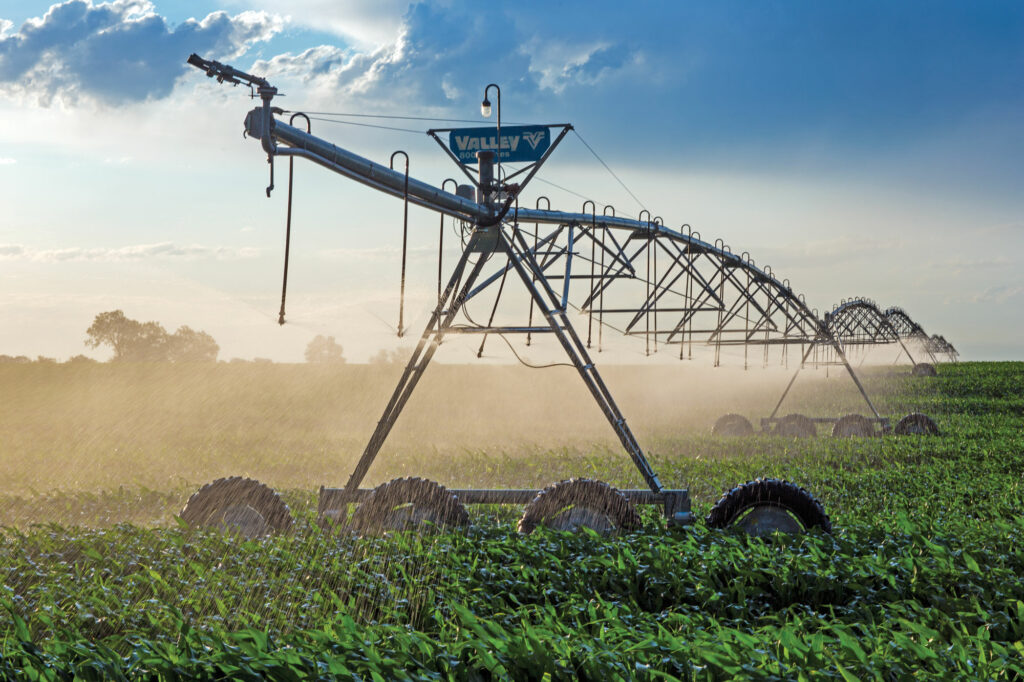
In the modern era of technology, ensuring that landscapes receive the right amount of water has evolved into a sophisticated science. With the introduction of remote control irrigation systems, managing water resources efficiently has never been easier. These systems have become a vital tool for landscape designers, farmers, and property owners who seek to maintain lush, healthy environments with minimal manual intervention. This article delves into the power of remote control irrigation, exploring how it can transform landscape management and promote sustainability.
The Benefits of Remote Control Irrigation
Remote control irrigation offers a myriad of advantages that contribute to efficient water management and landscape care. Here are some key benefits:
- Convenience and Accessibility: With remote control systems, users can manage irrigation schedules from virtually anywhere using a smartphone, tablet, or computer. This flexibility allows for timely adjustments based on weather conditions or unexpected changes in water requirements.
- Water Conservation: These systems are designed to optimize water usage, preventing wastage and ensuring that plants receive just the right amount of water. This is crucial in areas facing water scarcity or during dry seasons.
- Cost-Effectiveness: By reducing water usage and the need for manual labor, remote control irrigation systems can lead to significant cost savings over time.
- Enhanced Plant Health: Consistent and precise watering schedules help maintain plant health, reducing the risk of overwatering or underwatering.
To delve deeper into how these systems can be tailored to specific landscapes, discover expert strategies here.
Key Features of Modern Remote Control Irrigation Systems
Modern remote control irrigation systems come equipped with a variety of features that enhance their functionality and efficiency:
- Weather Monitoring: Many systems integrate with local weather data to automatically adjust watering schedules based on current conditions.
- Soil Moisture Sensors: These sensors provide real-time data on soil moisture levels, allowing for precise irrigation adjustments.
- Zone Control: Different areas of a landscape can have unique water needs. Zone control features ensure that each section receives appropriate attention.
- Alerts and Notifications: Users can receive alerts about system status or required maintenance, ensuring that the irrigation system operates smoothly.
For those interested in implementing these advanced features, learn about our tailored solutions that cater to diverse irrigation needs.
Integration and Automation
Remote control irrigation systems are not just standalone devices; they are part of a larger ecosystem that enhances landscape management:
- Smart Home Integration: Many systems can be integrated with smart home devices, allowing for a seamless management experience.
- Automated Scheduling: Systems can be programmed to adhere to specific schedules, ensuring consistent watering without manual intervention.
- Data Analytics: Users can access detailed analytics on water usage, system performance, and environmental impact, facilitating informed decision-making.
To explore more about these integrations and automation capabilities, explore advanced guides and tips that offer comprehensive insights.
Choosing the Right System for Your Needs
Selecting the appropriate remote control irrigation system depends on several factors:
- Landscape Size and Type: Different landscapes require different system capacities and capabilities.
- Budget Considerations: While initial costs can vary, long-term savings on water and labor should be considered.
- Technical Expertise: Some systems may require professional installation and maintenance, while others offer DIY solutions.
For guidance on choosing the right system, find out more about this approach to ensure efficient landscape management.
In conclusion, remote control irrigation offers a powerful solution for those seeking to maintain healthy, sustainable landscapes with minimal effort. By leveraging cutting-edge technology, these systems provide the tools needed to ensure efficient water use and optimal plant health, paving the way for greener environments and more sustainable living.
