
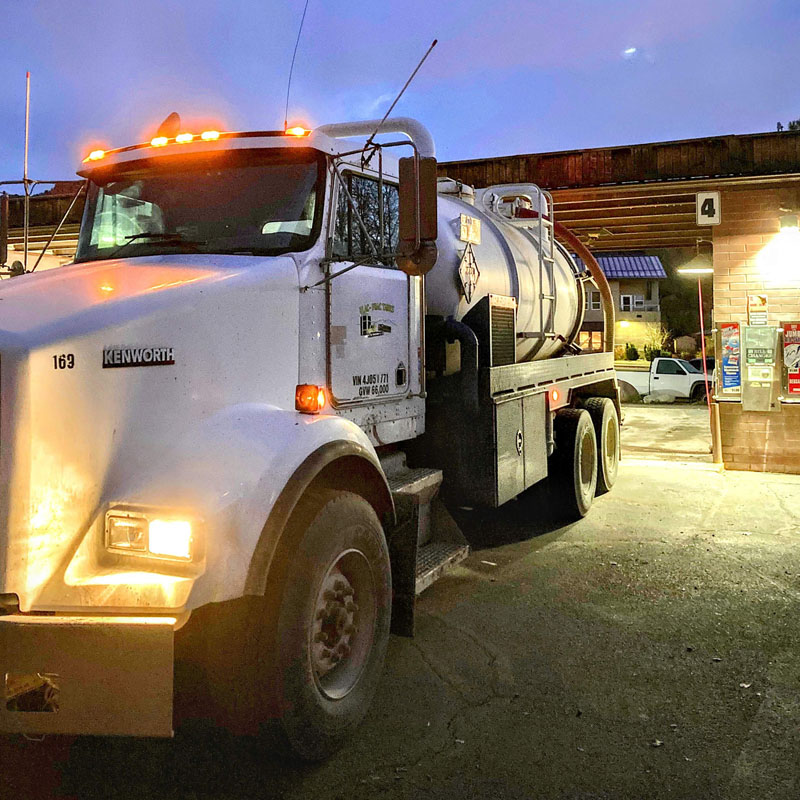
In the realm of construction and infrastructure development, traditional excavation methods are giving way to more modern and efficient techniques. One such method is hydrovac excavation, which has been gaining traction for its precision and minimal impact on the surrounding environment. Hydrovac excavation uses pressurized water and a vacuum system to safely and efficiently expose underground utilities and pipelines. This innovative excavation method offers numerous benefits over conventional techniques, making it an ideal choice for a variety of projects.
Environmental and Safety Advantages
Hydrovac excavation is renowned for its safety and environmental benefits. Unlike mechanical excavation, which often involves heavy machinery that can damage underground utilities, hydrovac excavation minimizes the risk of such incidents. The precision of the pressurized water allows for careful removal of soil around utilities without causing harm.
- Reduced Risk of Damage: By using water to break down the soil, the risk of damaging underground utilities such as gas lines, water pipes, and electrical cables is significantly reduced.
- Less Environmental Impact: Hydrovac excavation is less invasive, causing minimal disruption to the surrounding landscape and reducing the chances of soil contamination.
- Improved Worker Safety: The remote operation of hydrovac equipment decreases the need for manual labor in hazardous conditions, enhancing overall safety on the site.
Read more about this topic in our detailed guide.
Efficiency and Precision
In addition to its safety benefits, hydrovac excavation is also celebrated for its efficiency and precision. These attributes make it particularly advantageous for projects where time and accuracy are critical.
- Faster Excavation: The combination of water pressure and vacuum allows for rapid removal of soil, speeding up the excavation process compared to traditional methods.
- Precision Digging: Hydrovac systems enable precise excavation, which is crucial for projects involving sensitive underground infrastructures.
- Versatile Applications: This method is suitable for a wide range of soil types and conditions, from frozen ground to rocky terrain.
Explore further insights on the efficiency of hydrovac excavation here.
Cost-Effective Solutions
Cost efficiency is a significant consideration in any project. Hydrovac excavation offers financial benefits by reducing the likelihood of costly repairs and project delays. Its precision reduces the margin for error, which can translate into substantial savings.
- Lower Repair Costs: The reduced risk of damaging underground utilities means fewer repairs and replacements, saving money in the long run.
- Minimized Downtime: Faster excavation times lead to quicker project completion, reducing labor costs and minimizing project downtime.
- Reduced Liability: With improved safety and reduced risk of utility damage, liability costs are significantly decreased.
Find additional information on cost-effective excavation solutions here.
Applications Across Industries
Hydrovac excavation is not limited to construction projects. Its versatility and efficiency make it suitable for a variety of industries, including:
- Infrastructure Development: Ideal for projects requiring the installation or maintenance of underground utilities.
- Environmental Remediation: Useful in cleaning up contaminated sites while minimizing environmental disturbance.
- Oil and Gas: Employed in the maintenance and installation of pipelines, where precision and safety are paramount.
Learn more about the applications of hydrovac excavation in various industries by exploring further.
In conclusion, hydrovac excavation represents a modern and efficient approach to excavation that addresses many of the limitations associated with traditional methods. Its benefits in terms of safety, environmental impact, efficiency, and cost-effectiveness make it an invaluable tool in today’s construction and development landscape. As industries continue to seek more sustainable and safer methods, the adoption of hydrovac excavation is likely to increase, paving the way for more innovative solutions in the future.
