
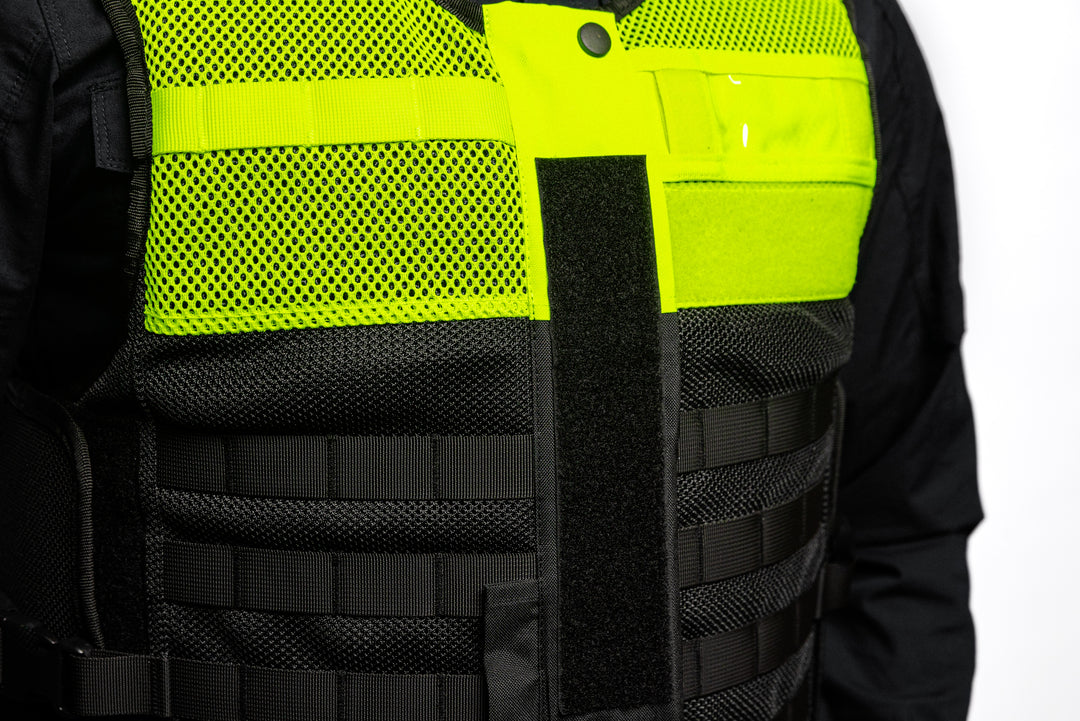
In an increasingly security-conscious world, finding the right stab vest is essential for professionals in law enforcement, security, and even certain civilian settings. Choosing the right protective gear can make a significant difference in terms of safety and comfort. This article provides a comprehensive guide to help you navigate the various options available, ensuring you select the vest that best suits your specific needs.
Understanding Stab Vest Protection Levels
Different stab vests offer varying levels of protection, which is crucial to understand before making a purchase. Stab vests are typically rated based on their ability to resist penetration from knives and sharp objects.
- Level 1 Protection: Suitable for low-risk environments, providing fundamental resistance against small blades and low-energy threats.
- Level 2 Protection: Designed for medium-risk environments, offering enhanced protection against larger knives and more forceful attacks.
- Level 3 Protection: Best for high-risk situations, offering the highest level of protection against long-bladed weapons and significant force.
For those interested in learning more about the protection levels, discover expert strategies here for assessing your risk level and protective needs.
Material Considerations
The material of a stab vest significantly impacts its effectiveness, weight, and comfort. Common materials include Kevlar, Spectra, and Dyneema.
Kevlar
Known for its high tensile strength-to-weight ratio, Kevlar is a popular choice in ballistic and stab-resistant vests. However, it can be heavier compared to other materials.
Spectra
Spectra offers a lightweight yet strong alternative to Kevlar. It’s often chosen for its high resistance to cuts and abrasions.
Dyneema
As one of the lightest and strongest fibers available, Dyneema provides excellent protection with minimal weight, making it ideal for prolonged wear.
To further understand the nuances of these materials, find out more about this approach to selecting the best material for your needs.
Comfort and Fit
While protection is paramount, the comfort and fit of a stab vest cannot be overlooked. A poorly fitting vest can hinder movement and reduce effectiveness.
- Adjustability: Look for vests with adjustable straps to ensure a snug fit that accommodates body movement without restricting it.
- Breathability: Consider vests with breathable materials or mesh linings, especially for prolonged use in warm climates.
- Weight Distribution: Ensure the vest evenly distributes weight to avoid fatigue during extended wear.
For more tips on achieving the perfect fit, explore advanced guides and tips on selecting stab vests.
Budget Considerations
Investing in a stab vest can be a significant expense, but it is crucial to balance cost with protection level and material quality.
- Entry-Level Vests: Suitable for those on a budget, offering basic protection with fewer features.
- Mid-Range Options: Provide a balance of protection, comfort, and additional features without breaking the bank.
- High-End Vests: Ideal for professionals requiring the highest levels of protection and comfort, often incorporating advanced materials and design features.
To explore a range of options that suit different budgets, learn about our tailored solutions that cater to various financial considerations.
Conclusion
Choosing the right stab vest involves careful consideration of protection levels, materials, fit, and budget. By understanding these factors, you can make an informed decision that maximizes personal safety in any environment. For a comprehensive range of solutions, explore advanced guides and tips to ensure your selection meets your specific needs.
