
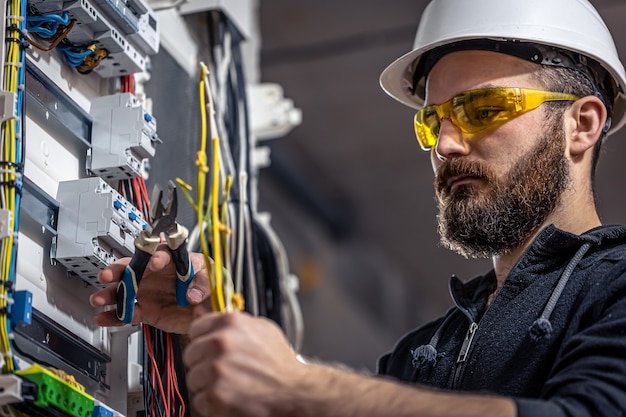
In the ever-evolving landscape of modern manufacturing, the role of an industrial electrician has become increasingly significant. As factories and manufacturing plants incorporate more sophisticated machinery and automated systems, the demand for skilled professionals who can install, maintain, and repair electrical systems is on the rise. Industrial electricians play a crucial role in ensuring that the production processes run smoothly, safely, and efficiently. This article explores the essential responsibilities of industrial electricians, their impact on manufacturing, and the skills required to excel in this dynamic field.
The Core Responsibilities of an Industrial Electrician
Industrial electricians are tasked with a broad range of responsibilities that are critical to the functioning of manufacturing operations. These include:
- Installation of electrical systems and components, ensuring compliance with safety standards and regulations.
- Regular maintenance and inspection of electrical equipment to prevent breakdowns and ensure optimal performance.
- Troubleshooting and diagnosing electrical issues, implementing efficient solutions to minimize downtime.
- Collaborating with engineering teams to design and upgrade electrical systems as needed.
- Ensuring that all electrical systems operate within the specified parameters to support production efficiency.
The expertise of industrial electricians is invaluable, especially in settings where precision and reliability are paramount. Find out more about this approach to maintaining high standards in industrial settings.
Impact on Manufacturing Efficiency and Safety
Enhancing Operational Efficiency
The presence of skilled industrial electricians in a manufacturing facility can significantly enhance operational efficiency. By ensuring that machinery and electrical systems are functioning properly, electricians help to prevent costly disruptions in the production line. Their ability to swiftly address and rectify electrical faults means that downtime is minimized, and productivity is maximized.
Ensuring Workplace Safety
Workplace safety is a top priority in manufacturing environments, and industrial electricians play a pivotal role in this regard. By adhering to stringent safety protocols during the installation and maintenance of electrical systems, they help to mitigate the risk of electrical hazards, thereby protecting both personnel and equipment. Discover expert strategies here to enhance safety measures within industrial settings.
Skills and Qualifications Required
To thrive as an industrial electrician, a combination of technical skills, problem-solving abilities, and industry knowledge is essential. Key skills and qualifications include:
- Proficiency in reading and interpreting electrical blueprints and schematics.
- A strong understanding of electrical codes and standards to ensure compliance.
- Hands-on experience with various electrical systems, including PLCs and VFDs.
- Excellent troubleshooting skills and the ability to think critically under pressure.
- Continuous learning and adaptation to new technologies and methodologies in the field.
For those interested in honing these skills and making a significant impact in the manufacturing sector, it is beneficial to explore advanced guides and tips tailored for industrial electricians.
Conclusion
The role of an industrial electrician in modern manufacturing is both challenging and rewarding. Their expertise ensures that manufacturing plants operate smoothly, efficiently, and safely, directly contributing to the success of the industry. As manufacturing continues to evolve, the demand for skilled industrial electricians is expected to grow, making it a promising career path for those with a passion for electrical systems and problem-solving. Learn about our tailored solutions for aspiring and current electricians looking to excel in their careers.
