
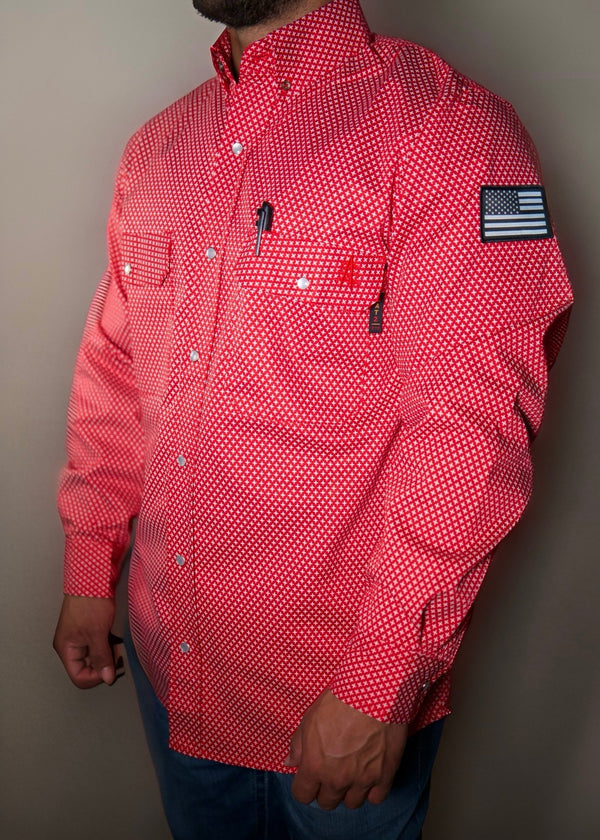
Ensuring safety in the workplace is paramount, especially in industries where workers are exposed to fire hazards. Flame-resistant (FR) clothing, particularly FR shirts, serves as a critical component in protecting workers against thermal exposure. Selecting the right FR shirt involves understanding various factors, including material, functionality, and compliance with safety standards. This guide aims to help you navigate through these considerations to make an informed choice that enhances safety and comfort.
Understanding Flame-Resistant Shirts
What Makes a Shirt Flame-Resistant?
Flame-resistant shirts are crafted from special fabrics designed to withstand ignition and resist burning. These shirts are an essential part of personal protective equipment (PPE) in hazardous work environments.
- Materials: Typically made from blends of natural fibers and synthetic materials that are inherently flame-resistant or treated to be so.
- Durability: Designed to withstand frequent wear and washing without degrading their protective properties.
- Comfort: Offers a balance between safety and comfort, allowing for ease of movement and breathability.
Key Safety Standards
When selecting FR shirts, it is crucial to ensure compliance with established safety standards, which guarantee a minimum level of protection.
- NFPA 2112: Specifies requirements for flame-resistant garments for protection against flash fire.
- NFPA 70E: Provides guidelines for electrical safety in the workplace, including FR clothing requirements.
Understanding these standards helps in choosing the right FR shirt that meets the necessary safety requirements. Explore advanced guides and tips to ensure compliance with these standards.
Choosing the Right FR Shirt
Material Matters
The choice of material directly impacts the shirt’s performance and comfort. Common materials include:
- Cotton blends: Often treated to enhance flame resistance, offering a soft and comfortable feel.
- Nomex: An inherently flame-resistant material that provides excellent protection without the need for chemical treatment.
- Kevlar: Known for its strength and resistance to heat, often used in high-risk environments.
Each material has its advantages, making it important to match the fabric to the specific needs of the work environment. Discover expert strategies here to select the best material for your needs.
Fit and Functionality
Beyond material, the fit and additional features of an FR shirt can significantly impact its effectiveness and user comfort.
- Fit: A well-fitted shirt allows for ease of movement and does not compromise on safety by being too loose or too tight.
- Features: Look for features like moisture-wicking capabilities, ventilation, and reinforced seams for enhanced durability.
Choosing a shirt that offers both protection and comfort can boost worker morale and productivity. Find out more about this approach to selecting the right fit and functionality.
Conclusion
The importance of selecting the right flame-resistant shirt cannot be overstated. With factors such as material, compliance with safety standards, and appropriate fit playing a pivotal role, making a well-informed decision can significantly enhance workplace safety. Learn about our tailored solutions for more insights on FR shirts that align with your specific workplace needs. Ultimately, investing in quality FR shirts is an investment in safety, productivity, and peace of mind.
